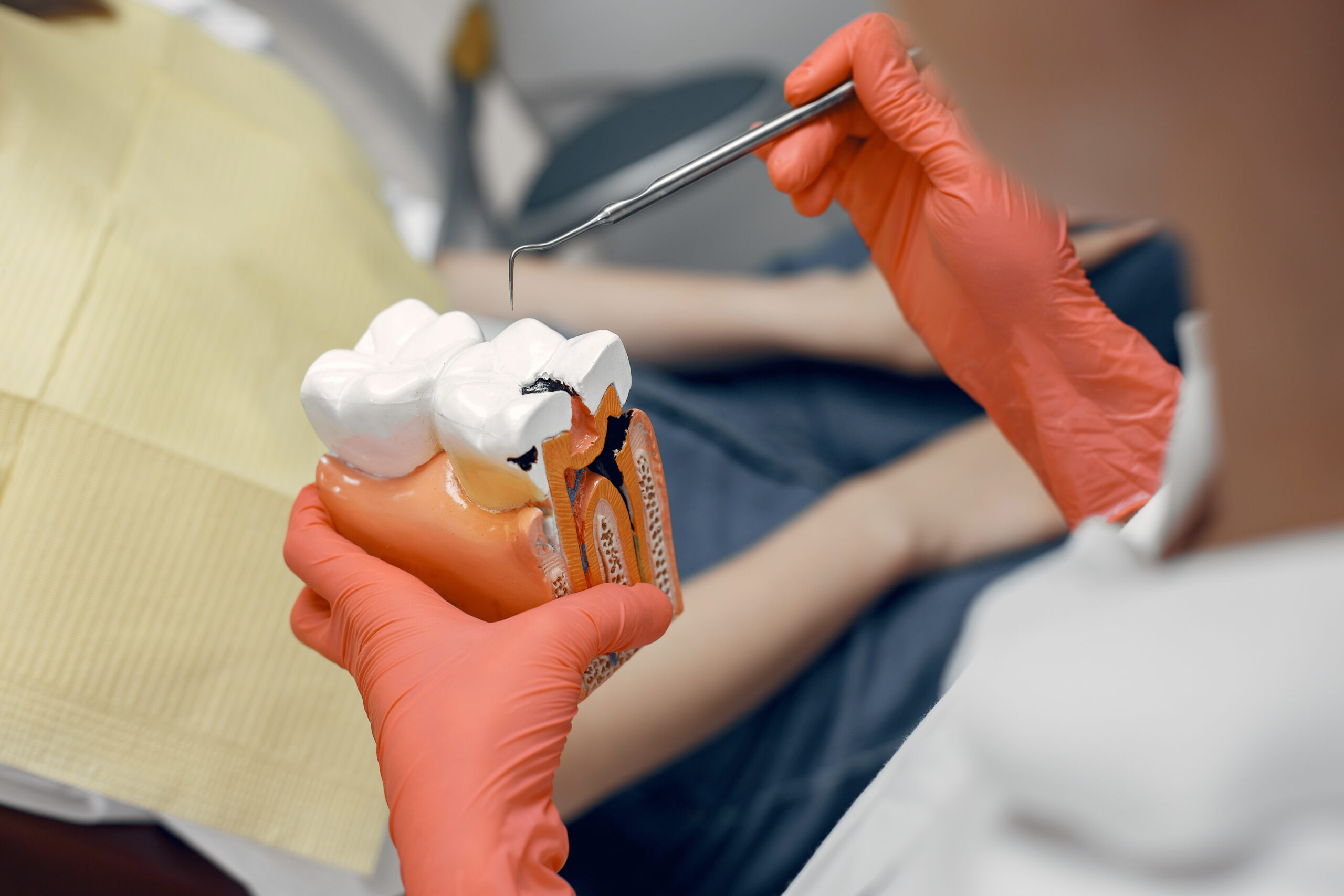
If you have a severe toothache or an infected tooth, root canals in Indianapolis can save your tooth from extraction. A root canal is a procedure designed to remove infected or inflamed tissue from inside your tooth while preserving the tooth structure. When the pulp (the soft tissue inside your tooth containing nerve and blood vessels) becomes infected due to deep decay, cracks or trauma, it can cause intense pain and lead to abscesses. Root canal therapy removes the infection, eliminates the pain and allows you to keep your natural tooth instead of losing it.
At Davis Family Dentistry, we understand that root canals have a bad reputation but the procedure is actually much more comfortable than most people expect. Modern techniques and anesthesia make root canals in Indianapolis no more uncomfortable than getting a filling or crown. The treatment typically takes two appointments depending on the severity of the infection. We’ll remove the infected pulp, clean and disinfect the inside of your tooth, fill it with a special material and often place a crown to protect and restore the tooth. Most patients feel immediate relief once the infected tissue is removed.
Root Canals in Indianapolis have a reputation of being painful, but the reality is much different. Modern root canal therapy is designed to relief pain, not cause it. Here’s what happens during your root canal treatment at Davis Family Dentistry:
Before we start any treatment, we’ll take X-rays to see the extent of the infection and assess the shape of your root canals. This helps us plan the procedure and determine the best approach. We’ll also discuss your symptoms and confirm that a root canal is the right solution for saving your tooth.
We’ll numb the affected tooth and surrounding area with local anesthesia so you won’t feel pain during the procedure. If you’re anxious about root canals in Indianapolis, we can discuss sedation options to help you relax. Most patients are surprised by how comfortable they feel throughout the treatment.
Once you’re numb, we’ll create a small opening in the top of your tooth to access the infected pulp. This allows us to remove the damaged nerve tissue and bacteria that are causing your pain and infection.
We carefully remove all the infected pulp, nerve and bacteria from inside your tooth using specialized instruments. Then we thoroughly clean and disinfect the root canals to eliminate any remaining infection. This is the part that actually saves your tooth and stops the pain.
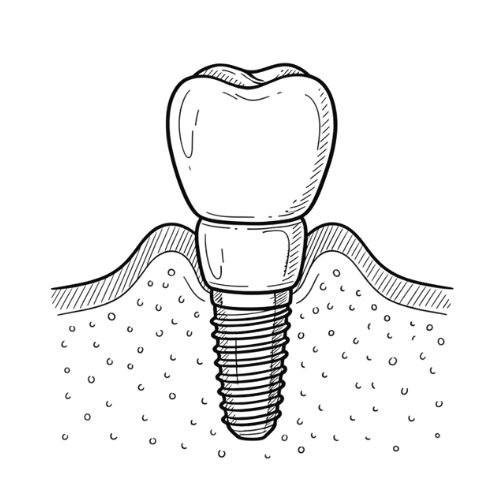
Most teeth that need root canals in Indianapolis also need a crown for protection and strength. We’ll either place a temporary crown during your root canal appointment or schedule you for a permanent crown placement as a follow up visit. The crown restores your tooth’s appearance and allows you to chew normally.
You might have some mild soreness for a few days after your root canal, but it’s usually manageable with over-the-counter pain medication. Most patients feel significantly better than they did before the procedure because the infection and pressure are gone. You can return to normal activities the next day.
Ready to transform your smile with dental veneers? Schedule your consultation today.


Starting care with a new dental practice should feel easy and welcoming. Here’s exactly what you can expect during your first appointment at Davis Family Dentistry.
Complete your patient forms and meet our friendly team who will make you feel right at home
Dr. Davis performs a thorough examination using advanced digital imaging technology
We discuss your oral health goals and create a personalized plan tailored to your needs
Get all your questions answered and schedule any recommended follow-up treatments
Experience personalized dental care in a comfortable, welcoming environment. Schedule your appointment with us today and discover why families throughout Indianapolis trust us with their smiles.
Get answers to the most common questions about dental care, treatment options, and what to expect before your appointment.
Do root canals hurt?
The procedure itself doesn’t hurt because we numb your tooth completely with local anesthesia. The pain you feel before a root canal is from the infected nerve tissue, and the treatment eliminates that pain. After the procedure, you might have mild soreness for a day or two, but most patients say it’s much less painful than the toothache they had before getting the root canal.
How long does a root canal take?
Most root canals in Indianapolis take 60-90 minutes for the actual procedure. Simple cases with one canal might be faster, while molars with multiple canals can take longer. The appointment time also includes numbing, X-rays and discussing aftercare.
What are root canal symptoms that mean I need treatment?
Common root canal symptoms include severe toothache that wakes you up at night, prolonged sensitivity to hot or cold that lingers after the source is removed, swelling or tenderness in your gums, a pimple like bump on your gums (abscess), tooth discoloration and pain when chewing or touching the tooth. If you’re experiencing any of these root canal symptoms, contact us right away for an evaluation.
What is root canal recovery time?
Root canal recovery time is surprisingly quick. Most patients return to work or normal activities the next day. You might have mild soreness or sensitivity for 2-3 days that can be managed with over-the-counter pain medication. Avoid chewing on the treated tooth until you get your permanent crown. Full healing of the tissue around the tooth takes a few weeks, but you won’t feel this happening.
Can a root canal fail?
Root canals have a success rate of over 95%, but like any medical procedure they can occasionally fail. This usually happens if bacteria remains in the canals, new decay develops or the tooth cracks. If a root canal fails, you might need re-treatment or in rare cases, extraction. Following good oral hygiene and getting your crown placed promptly helps ensure success.
What happens if I don't get a root canal?
If you ignore root canal symptoms and don’t get treatment, the infection will spread. You could develop a serious abscess, lose the tooth, or in rare cases the infection could spread to other parts of your body. The pain will likely get worse over time. Once you need a root canal, the problem won’t go away on its own. It’s always better to save the tooth with treatment than to wait and face extraction.
Do I need antibiotics before or after my root canal?
Not everyone needs antibiotics with root canals in Indianapolis. If you have severe infection or abscess, we might prescribe antibiotics before the procedure to reduce swelling. After the root canal, antibiotics are usually only necessary if the infection has spread beyond the tooth or if you have certain medical conditions. The root canal procedure itself removes the source of the infection.
Can I eat after a root canal?
You can eat once the numbness wears off, but stick to soft foods for the first day or two. Avoid chewing on the treated tooth until you get your permanent crown. Good options include soup, yogurt, mashed potatoes, smoothies and pasta. Once your crown is placed an everything is healed, you can eat normally again without any restrictions
Discover Why We’re Indianapolis’ Trusted Dentist