Preventative dentistry is all about stopping problems before they start. This includes routine dental exams, cleanings and treatments like gum cleanings (also called scaling and root planing or deep cleanings). If you have gum disease or are at risk for it, a gum cleaning dentist can help treat the infection and prevent it from getting worse.
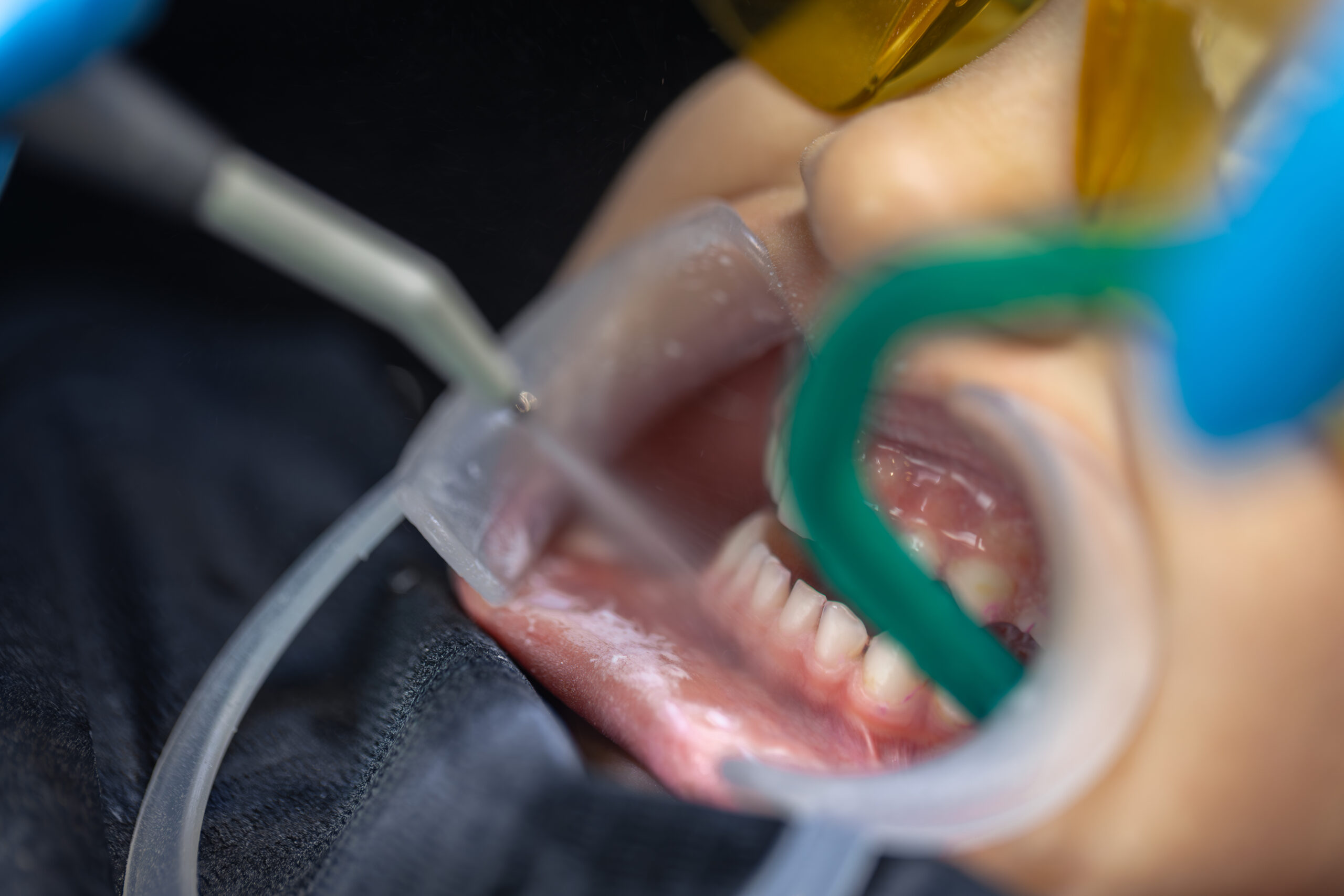
Regular dental cleaning remove plaque and tartar from above your gumline, but if you have periodontal disease, bacteria and tartar can build up below the gumline where regular brushing and flossing just can’t reach. Our gum cleaning dentist uses specialized tools to clean deep under your gums, smooth out tooth roots and help your gums heal and reattach to your teeth.
Whether you need a routine cleaning or more advanced gum disease treatment, we’re here to help. Catching gum problems early can save you from tooth loss, bone damage and expensive procedures down the road. If you’re experiencing bleeding gums, bad breath that won’t go away or loose teeth, it’s time to see a gum cleaning dentist.
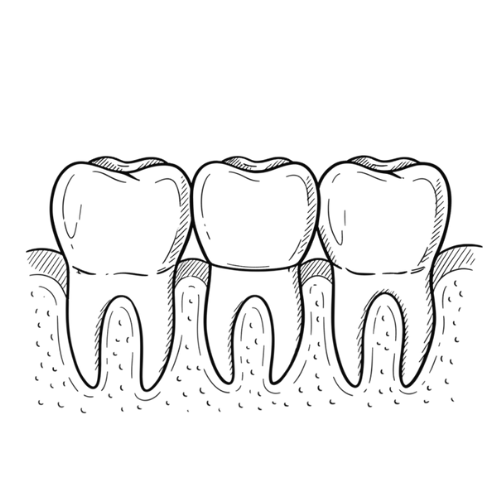

A gum cleaning (also called scaling and root planing or a deep cleaning) goes deeper than a regular cleaning to treat gum disease. If your gums bleed when you brush, look red and swollen or you’ve been told you have periodontal disease, you probably need more than just a routine cleaning. As your gum cleaning dentist we use gentle techniques to remove infection from below your gumline and help your gums heal properly.
During a gum cleaning, we focus on removing the plague and hardened tartar from beneath your gumline where bacteria love to hide. This buildup can’t be reached with regular brushing and flossing and it’s the main cause of gum disease if it’s not professionally removed.
Scaling removes the tartar and bacteria from below your gumline. Root planing smooths out the root surfaces of your teeth so your gums can heal and reattach properly. This process reduces inflammation, gets rid of infection and helps prevent gum recession and bone loss.
We know gum cleanings sound intimidating, but we make them as comfortable as possible. We’ll numb the area with local anesthetic so you don’t feel pain during the procedure. Our team works carefully at your pace to help keep you relaxed.
After your gum cleaning, we’ll check your progress to make sure your gums are healing and the infection is gone. You might need follow-up visits to monitor your gum pocket depth and keep things on track.
Before you leave, we will go over what we found and create a plan to keep your gums healthy long-term. This might include coming in for cleanings more often, better home care techniques or ongoing periodontal maintenance to prevent gum disease from returning.
Ready for a fresh, clean smile? Book your appointment and keep your smile healthy.


Starting care with a new dental practice should feel easy and welcoming. Here’s exactly what you can expect during your first appointment at Davis Family Dentistry.
Complete your patient forms and meet our friendly team who will make you feel right at home
Dr. Davis performs a thorough examination using advanced digital imaging technology
We discuss your oral health goals and create a personalized plan tailored to your needs
Get all your questions answered and schedule any recommended follow-up treatments
Experience personalized dental care in a comfortable, welcoming environment. Schedule your appointment with us today and discover why families throughout Indianapolis trust us with their smiles.
Get answers to the most common questions about dental care, treatment options, and what to expect before your appointment.
What's the difference between a regular cleaning and a gum cleaning?
A regular cleaning removes plaque and tartar from above your gumline. A gum cleaning (deep cleaning) goes below the gumline to remove bacteria and tartar that cause gum disease. If you have periodontal disease a regular cleaning won’t be enough to treat the infection.
How do I know if I need a gum cleaning?
Signs you might need a gum cleaning include bleeding gums, red or swollen gums, bad breath that wont go away and receding gums or loose teeth. Dr. Davis will also measure your gum pocket depth during your exam, pockets deeper than 3-4mm usually mean you need a deep cleaning.
Is a gum cleaning covered by insurance?
Most dental insurance plans cover gum cleanings (scaling and root planing) at 50-80% if they’re medically necessary. However, if you have gum disease and need maintenance cleanings every 3-4 months it might be worth looking into our Periodontal Membership Plan. It includes 4 periodontal maintenance cleanings, 2 exams, annual X-rays and 20% off any additional treatment you need.
For most patients with gum disease, this membership is actually cheaper than paying out-of-pocket with insurance and makes sure you get the frequent cleanings you need to keep your gums healthy.How often will I need gum cleanings after treatment?
After your initial deep cleaning, you’ll probably need maintenance cleanings every 3-4 months instead of the usual 6 months. This helps gum disease from coming back. Your gum cleaning dentist will let you know what schedule is right for you.
Can gum disease come back after a deep cleaning?
Yes, if you don’t keep up with good home care and regular maintenance cleanings. Gum disease is manageable but it requires ongoing care. We’ll show you the best brushing and flossing techniques to keep your gums healthy between visits.
What happens if I don't treat my gum disease?
Untreated gum disease can lead to tooth loss, bone loss in your jaw, infections and even health problems like heart disease and diabetes. The good news is that catching it early and getting a gum cleaning can stop the damage and reverse early stage periodontal disease.
Will my gums stop bleeding after a gum cleaning?
Yes! Once the infection and bacteria are removed, your gums will start to heal and the bleeding should stop within a few weeks. Keeping up with good home care and follow-up visits will help your gums stay healthy.
Can I eat normally after a gum cleaning?
You can eat after the numbing wears off but stick to soft foods for the first day or two if your gums are sore. Avoid really hot, spicy or crunchy foods until your gums feel better. We’ll give you specific aftercare instructions after your treatment.
Discover Why We’re Indianapolis’ Trusted Dentist